Q&A: Could Another Theranos Happen Today?

UVA Darden Professor Les Alexander, author of a case study on Theranos, reflects on Elizabeth Holmes’ lasting notoriety and the lessons her downfall holds for entrepreneurs and investors, from transparency and accountability to the importance of due diligence.
Les Alexander is well-versed enough on the topic to draw a conclusion from a 77-second clip.
A professor at the University of Virginia’s Darden School of Business, Alexander is the author of the “Theranos: Fake It Till You Make It?” case study, published in January 2025, that analyzes the infamous scandal surrounding Theranos founder and CEO Elizabeth Holmes and her failed attempt to revolutionize the blood-testing industry.
Holmes was sentenced in 2022 to more than 11 years in federal prison after being convicted of defrauding Theranos investors. The story, heightened by Holmes’ unique persona, remains culturally relevant.
This week, “You Can See Everything,” a documentary examining Holmes’ 34 days before she surrendered to prison, will hit theaters. Snippets of the ballyhooed film have already surfaced, including an intense scene in which Holmes tells director Nathan Fielder, “I don’t have anything to deceive you on. Of course, I’m not deceiving you."
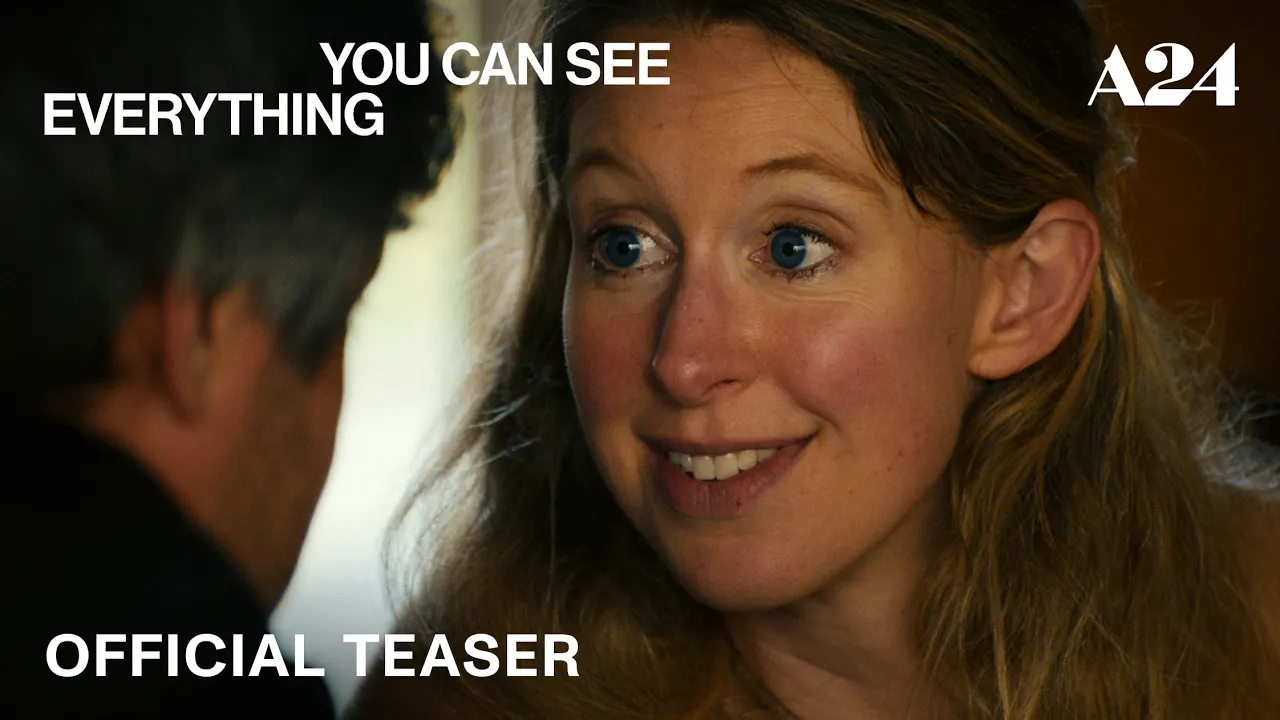
“In the little clip that I saw, she seems to be still trying to sing the same song from before,” Alexander said. “She shows no remorse.”
UVA Today caught up with Alexander for a deeper dive into Holmes, Theranos and the ordeal’s lingering effects on entrepreneurs and investors.
Q. Holmes committed these crimes more than a decade ago. Why is this story still relevant?
A. She was such a personality and became a celebrity, and people were talking about her story as it was evolving before she was accused of fraud and thrown in jail. People were buying into the story and cheering for her and hoping Theranos would be successful.
This very young person was given $900 million in capital for a product that didn’t work. I think people were really fascinated by the question, “How in the world was this even possible?"

And she never really accepted responsibility for the fraud she committed. She fought it even in jail. It’s just been a fascination of people trying to understand how this person could react that way.The interesting thing is that if she weren’t a celebrity, we wouldn’t be talking about Theranos, because companies fail all the time. This one was just such a public disaster that people were fascinated by it, and that’s why they want to keep talking about it.
Q. What’s an important lesson to be gained from Theranos from a founder’s perspective?
A. A conversation that we get into in my class is the whole “fake it till you make it” idea. When is it appropriate? When is it not? Obviously, in her case, it crossed from faking it to fraud. You need to have some conviction and belief in your crazy startup idea as a founder when you get started. But I think people are becoming a little more realistic, more transparent and sharing things that before were considered weaknesses if you were struggling. Now, founders are generally sharing more about achieving milestones and what’s actually happening with their investors when they’re trying to raise capital.
Q. What about a lesson from an investor’s perspective?
A. It’s created some reflection on the investing community to make sure they are doing their due diligence. If you’re not provided with access to information to make an informed decision, or if you’re rushed in your decision to invest quickly, it’s probably a sign that you shouldn’t be making that investment without that needed information.
Q. Could something like Theranos happen again?
A. It could happen again because there are going to be people who are unethical, and they’re going to try to deceive people to raise money for their startup. And if you have investors with a fear of missing out, given the competitive nature of venture capital, they’re going to throw money at things they possibly shouldn’t. Venture capital is designed to take risks. That’s the whole basic premise of it. They are going to invest in things that don’t work out. But you don’t want to invest in things where the person you’re giving the money to is fraudulent. So you must do your own due diligence to try to determine that. I think the venture capital community has changed because Theranos was a bit of a wake-up call. But then you see FTX happen, and you notice it’s happened again. I guarantee you this will happen again because there are going to be people who behave this way, and sometimes investors aren’t paying attention to the signs.
This article was originally published in UVA Today.
About UVA Darden School of Business
The University of Virginia Darden School of Business prepares responsible global leaders through unparalleled transformational learning experiences.
Darden's graduate degree programs and Executive Education & Lifelong Learning programs offered by the Darden School Foundation set the stage for a lifetime of career advancement and impact.

Press Contact
Molly Mitchell
Senior Associate Director, Editorial and Media Relations
MitchellM@darden.virginia.edu
Lester F. Alexander III
John Glynn Endowed Professor and Professor of Practice in Business Administration
Alexander is a venture capital and private equity expert. The former investor, executive and investment banker serves on the board of several Jefferson Capital portfolio companies, supporting strategic planning and corporate governance.